Bungie's Relationship Status: It's Complicated
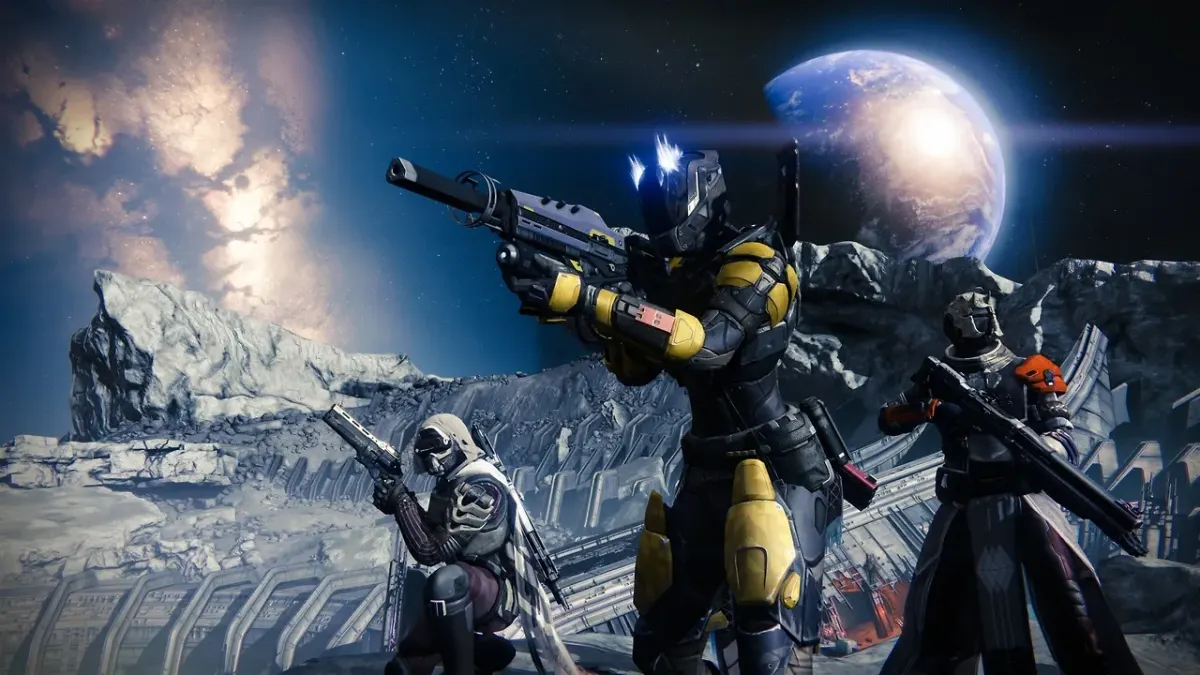
Think back to the first time you heard about it:
"Destiny, from the makers of Halo."
I remember the gameplay reveal on the PlayStation stage at E3 2013. Here was a game that would combine the shared experience of an MMO, the loot grind of a Diablo, and the slick FPS feel of a Halo, all wrapped in an original sci-fi narrative that would span ten years. Consoles had never seen anything like this. The hype was real. Audiences were all-in. Bungie was king.
Fast forward to present-day:
"Marathon, from the makers of Destiny."
Meh. It doesn't hold the same ring, or conjure the same excitement – that fervor to jump into a new sci-fi universe from a beloved studio. To call responses muted would be an understatement. We've all read about Marathon's flailing player counts, how it's not meeting internal expectations. By all estimations, Marathon is a very good game – the problem is that players don't care. They don't want to follow Bungie into something new. In many ways, they don't even want Bungie to succeed.
So what happened between these two announcements? When you dig into the timeline, what you find is a cautionary tale about the live-service relationship between player and developer, and the importance of nurturing that relationship, or the dangers of neglecting it.
To fully understand player sentiment towards Bungie, we need to go back to 2010, when Halo: Reach was released to universal acclaim and massive commercial success. It was here that Bungie decided to pack up all the goodwill from nine years of Halo and depart Microsoft to pursue an all-new IP – Destiny.
Published by Activision, Destiny was hugely optimistic from the beginning. A ten-year saga with continuous progression and a major expansion every other year? It was a promise that sounded too good to be true, but Bungie had a perfect track record, and if anyone could build a new sci-fi FPS franchise, it was them. After all, they had released five Halo titles in nine years.
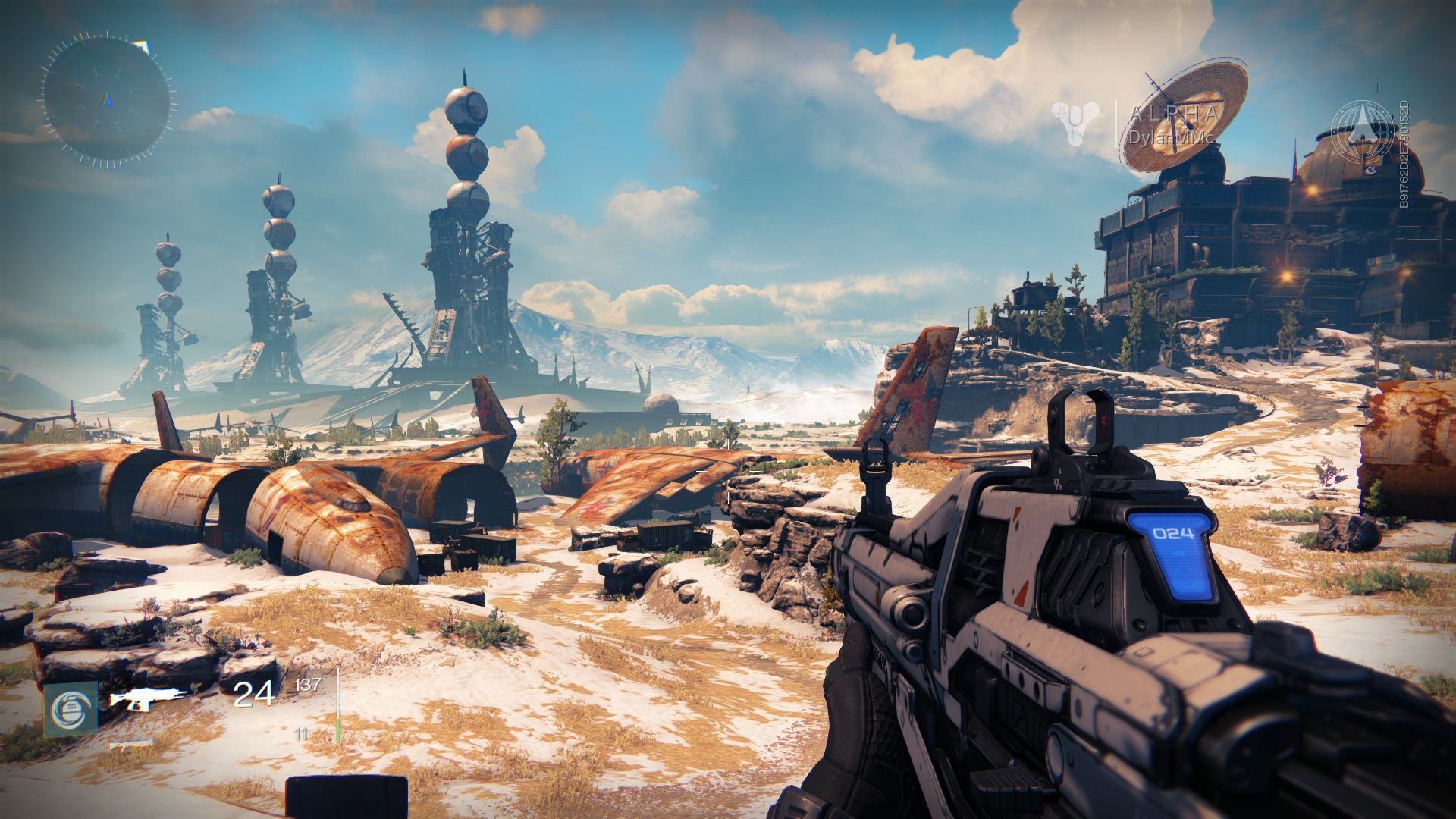
Destiny released in 2014 after a tumultuous development cycle, and right from the start, there were cracks. The narrative was half-baked, with writing that felt rushed ("I don't have time to explain why I don't have time to explain") and most of the story's context existing through lore cards accessed via a website. There were issues with the loot game, the lack of an endgame, and the faulty matchmaking. This all contributed to a general feeling of Destiny being unfinished.
But the foundation was there, and at the end of the day, Destiny was fuckin' awesome. It truly was Halo meets Diablo meets MMO – the classes (Hunter, Titan, Warlock) were all a blast to play, the planets were beautiful and interesting, and the guns had style and identity (Gjallarhorn, anyone?). The Vault of Glass raid was a novel concept for an FPS in 2014 (and honestly still is). And with the release of an excellent first expansion in The Taken King, it felt like Bungie could actually make good on their plan.
In March 2017, Destiny 2 was revealed – and with it, an announcement that all the progression and loot that players had earned would not be carrying forward to the sequel. This felt like a reversal of Bungie's earlier promises that Destiny would have continuous progression across the ten-year saga. But still, players showed up. Despite its faults, it felt like Bungie could still hit a strong rhythm with Destiny.
But in 2020, citing technical justifications, Bungie announced the Destiny Content Vault, which removed almost 80% of the content from Destiny 2, including locations, weapons, endgame content, and more – all things that players had spent money on and spent long hours collecting. Unlike typical live-service missteps like poor balancing or content droughts, this felt like a cardinal sin. Acquiring loot in live-service titles can take a lot of time (that's why they call it farming), so players feel attached to what they've acquired. They build equity and trust its theirs to keep. I can log into my World of Warcraft character that I created in 2007 and equip loot that I collected eighteen years ago, but I could not play the campaign of Destiny 2 only three years after it launched – a campaign that I paid for.
There are a lot of specific moments in Destiny's life I could point to, but the overall effect was a vicious cycle the game could never recover from. As players grew increasingly frustrated and began to leave the game, Bungie made decisions that stopped serving their core audience – over-relying on the Eververse to monetize a shrinking base, shipping Lightfall as a rushed, hollow expansion, having a poor onboarding experience, etc. Players were leaving and few were arriving, which made the remaining player base less valuable, which led to worse decisions, which drove out more players.
Look, contrary to how I've framed it above, Destiny was not all bad. The Witch Queen was a great expansion, and from everything I hear, The Final Shape was a satisfying conclusion to the saga – but my point is that very few people were around to experience it. Destiny player counts were on a downward trend for years, with player sentiment at all-time lows. The game had run out of steam, and the goodwill that Bungie had accumulated from Halo was all but expended. The consequences exist on the public stage: multiple rounds of layoffs, the end of development for Destiny 2, and two separate impairments to Sony's valuation of Bungie.
It was into this environment that Marathon was released.
When developers choose to make a live-service title, they enter into a long-term relationship with their players. Following release, there are content updates, balance changes, patches, and more – and players give their feedback. The developer responds, the players give more, and this cycle continues for the entire life of the game, which can last many years.
This relationship needs to be nurtured. The longer a game lives, the more investment a player has, the deeper the connection between developer and player becomes. Depending on the health of the relationship, this can either work for a developer, or really, really against it.
One thing that any healthy relationship builds is trust. When players trust that developers will follow through, provide a good experience, and generally keep their audience at the forefront, they in turn are more willing to follow them when it comes to risk-taking, pursuing new ventures, and are even quicker to forgive mistakes. For a prime example of how this trust factor can benefit a developer, we can look at Blizzard.
When it comes to taking a popular genre and applying their own spin on it, Blizzard Entertainment is the best. They looked at EverQuest, said "we can do that," and made World of Warcraft. They looked at Team Fortress 2, said "we can do that," and made Overwatch. They looked at DOTA, said "we can do that," and made Heroes of the Storm (yes, I'm aware that DOTA is born out of a Warcraft III mod). And players love it (or more aptly loved, as even Blizzard has taken a few reputational blows lately).
A major reason why players like myself were willing to follow Blizzard into these new genres, such as the hero shooter genre – a competitive landscape that was entirely new to Blizzard – is because we had been feasting from years of quality World of Warcraft and Diablo expansions. Different genres, sure, but that didn't matter – we were motivated by trust. Blizzard had earned it.
On the other side of trust is resentment, which grows when a developer and its audience are constantly at odds – broken promises, poor communication, sub-quality releases. After years of being let down, over and over again, Bungie's core audience had grown resentful of not just Destiny and the state that it was in – they had grown resentful of the developer.
Things that really shouldn't be scandals became scandals. For example, after a round of layoffs at the studio, details broke about former CEO Pete Parson's $2.3 million classic car collection. In reality, what the CEO of a major company (recently acquired for $3.6 billion) chooses to spend their money on is up to them, and he is far from the only studio head to buy fancy cars. The problem was that because he and Bungie had fallen so deeply out of favor with their audience, it became a symbol of corporate greed: while developers are losing their jobs, upper management is living large. Fancy cars became a target.
In another example, headlines broke about a GDC talk where Bungie's Chief Development Officer admitted they sometimes avoided shipping content that was "amazing and awesome for the game" because it might set unrealistic expectations down the line. It's actually a fair point – in live-service, you can't perpetually over-deliver without burning out your team and conditioning your audience to expect the impossible. But players had been dealing with underwhelming content for so long that the talk read as a confession, as if the poor-state of the game was deliberate on the studio's part.
So with all of this in mind, when Bungie looks at Escape From Tarkov, says "we can do that," and makes Marathon, players are skeptical and unsure. The relationship has soured, and players following them into a new genre is a far bigger ask than I think the studio realizes.
You can make a few different arguments about Marathon's dwindling player counts – steep competition, pre-release art scandal, niche genre – but these things would have mattered far less if Bungie had retained the trust of its players. EverQuest was huge, but that didn't stop World of Warcraft. Team Fortress 2 and Overwatch exist concurrently. Developers bounce back from scandals all the time. But because of how things were left with Destiny, hurdles that Marathon could have overcome (as according to critics, it is a very good game) became weapons to use against it.
Remember, this is 2026. Bungie has been separated from Halo for over a decade, and a lot of the talent responsible for that series have moved on to other pursuits. Destiny is the only other game they have on their slate. This has led to many players adopting a wait-and-see approach regarding Marathon. Unfortunately, this has also led to players who feel so burned by Destiny that they would rather Bungie shutter than succeed.
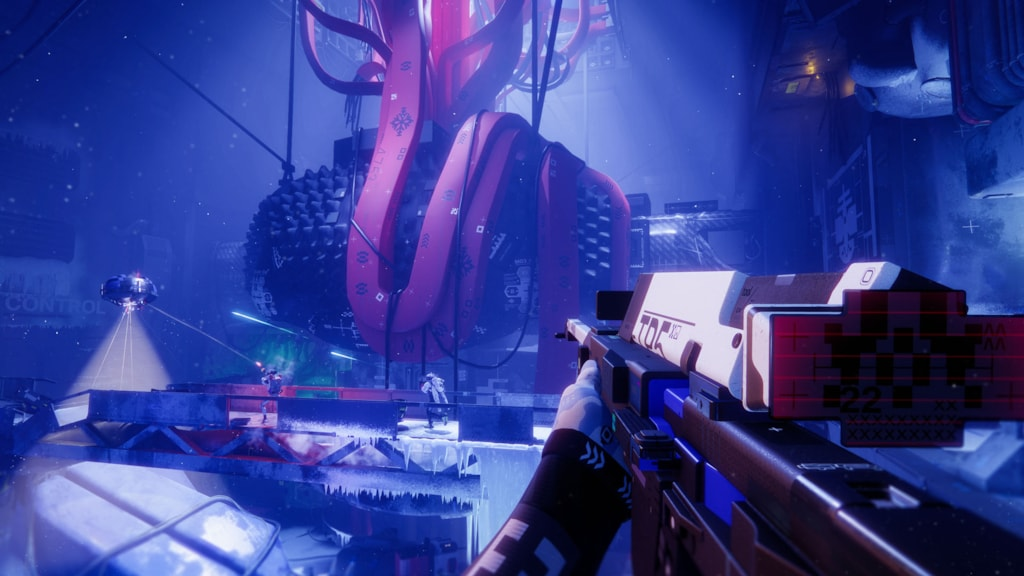
So where does Bungie go from here? Well, I think this is a very difficult proposition. Destiny is done, so the prospect of fixing that isn't really in the cards anymore. I'm not sure it ever was – that would cost an insane amount of money, more than Sony was clearly willing to pay. But therein lies the problem.
Why are people excited for Light No Fire, the follow-up to No Man's Sky, which had its own disastrous launch? Why are people excited for The Witcher 4 after the utter shitshow that was Cyberpunk 2077's launch? Why is Final Fantasy XIV one of the most successful MMOs ever, still going strong after multiple expansions, after it was one of the lowest-reviewed, most critically reviled Final Fantasy titles ever?
It's simple: these developers fixed what they broke and regained the trust of their players. Goodwill for a video game studio means that players want you to succeed. Players want Hello Games and CD Projekt Red to succeed, despite being burned in the past, because the developers have made right their past mistakes before releasing their next product. If you had told me, just after No Man's Sky released, that it would become one of the healthiest examples of a live-service title that we have, I would've thought you were absolutely crazy.
Bungie, on the other hand, did not do an adequate job of regaining that trust, and are now reckoning with years of dissatisfaction from Destiny be projected onto Marathon. They can't fix Destiny. Their only option is to try and convince players that Marathon is worth it, and despite how good the game may be, I'm not sure audiences are willing to give Bungie the benefit of the doubt.
So we find Bungie in somewhat of a Catch-22. Players won't trust Bungie until Marathon is a smashing success, but Marathon won't be a smashing success unless players trust Bungie. It's a live-service, multiplayer-only title. It lives and dies by it's audience.

I like a comeback story. I love where Cyberpunk, Final Fantasy XIV, and No Man's Sky ended up in the cultural lexicon. But that's not due to audiences changing – it's entirely due to the developer.
There's only one certainty here, in that Bungie will do everything it can to make Marathon a value proposition enticing enough to repair the relationship with its audience. As they stand currently, however, they are a stark example of the dangers of letting the relationship with your players sour.
Maybe Bungie will last long enough to give Marathon a truly incredible comeback. Then again, Bungie is an expensive studio in a high-cost-of-living area. They're not a small team like Hello Games. At the moment, the cards are stacked against them.
I don't know if its a miracle they need, but it's something very close to one.