A First-Party Fire Sale Is Happening in Front of Us
Few studios are safe from the great Xbox reset.
Back in the day, as I remember it, the opportunity to be a first-party studio carried with it a certain measure of prestige. It was a vote of confidence from the platform holders so strong that they were willing to lock it down and make the relationship exclusive. The task of first-party wasn't just to sell games – it was to move hardware.
The first-party studio has been a necessary tool from the beginning. The industry has always been embroiled in console wars, most notably the battle of red versus blue between Nintendo and SEGA. The first-party studio is their front-line, with brand mascots like Mario and Sonic carrying the banners of value proposition over the competition. "We're the reason you choose us, not them," they might say.
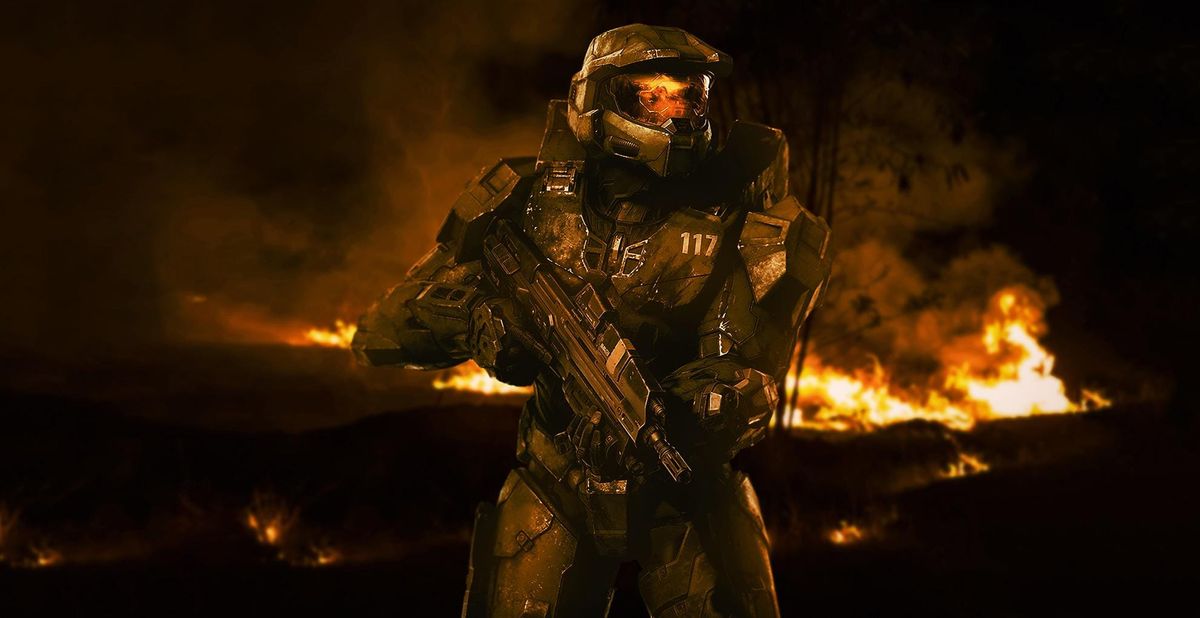
You choose Xbox because of Halo.
You choose Playstation because of God of War.
You choose Nintendo because of Zelda.
In recent years, however, we've seen this industry change dramatically. We've witnessed the rise of the indie scene, the growth of massive third-party conglomerates, and the overall democratization of game development tools. All of these have eaten into the necessity of first-party. Console mascots aren't quite as important as they used to be. Exclusivity is seen as unattractive.
But at the end of the day, platform holders need to sell consoles, and first-party will always be the most effective means to do it. It still carries that classic prestige, representing something that the games industry cannot exist without.
It's into this dynamic that Xbox is currently evaluating their first-party lineup and putting the majority of it for sale, live and unfiltered.
In recent weeks, we've seen constant news coverage of the chaos inside Xbox as the brand hits the reset button, where many of the decisions made over the past decade are being brutally reversed. Let's contextualize it.
The Phil Spencer-era of Xbox, spanning 2014 to 2026, was defined by a single goal: build a first-party lineup strong enough to make Game Pass worth subscribing to. His dream was the Netflix of video games, and his method was acquisitions.
In 2018, Xbox acquired Ninja Theory (Hellblade), Playground Games (Forza, Fable), Undead Labs (State of Decay), Compulsion Games (We Happy Few, South of Midnight), InXile Entertainment (Wasteland), and Obsidian Entertainment (Avowed, The Outer Worlds). In 2019, they acquired Double Fine Productions (Psychonauts, Keeper). In 2021, they purchased ZeniMax media, which brought in the Bethesda family of studios (Bethesda Game Studios, Id, Arkane, MachineGames), and in 2023 the largest deal of all closed – the $70 billion acquisition of Activision Blizzard, which I've written about previously.
Fast forward to the modern day, and Phil Spencer is out, along with his heir-apparent Sarah Bond. The reason? Their strategy did not work: Game Pass subscriptions were stagnant, and the Xbox division was operating at a 3% profit margin against a company goal of 30%. Xbox was sitting on a mountain of studios tied to a strategy that has been marked unsuccessful.
In their place is Asha Sharma, who has brought a private-equity playbook to Xbox: new management, brutal cuts, and a directive to turn the ship around. According to a post from Sharma in early June, Xbox needs to "reset the business." The focus moving forward will be major franchises – Halo, Fallout, Elder Scrolls, Gears of War, Forza.
If you're not tied to one of these major franchises, your future is uncertain. Many of Xbox's first-party lineup from the Spencer acquisition spree were not purchased to build major franchises; they were brought in to fill Game Pass with content.
A major part of Sharma's brand reset will be layoffs and studio closures.
According to Bloomberg, Xbox is planning massive layoffs following the close of their fiscal year on June 30th. The full extent of these cuts remains up in the air, but over the past few weeks, we've slowly learned which studios are on the chopping block.
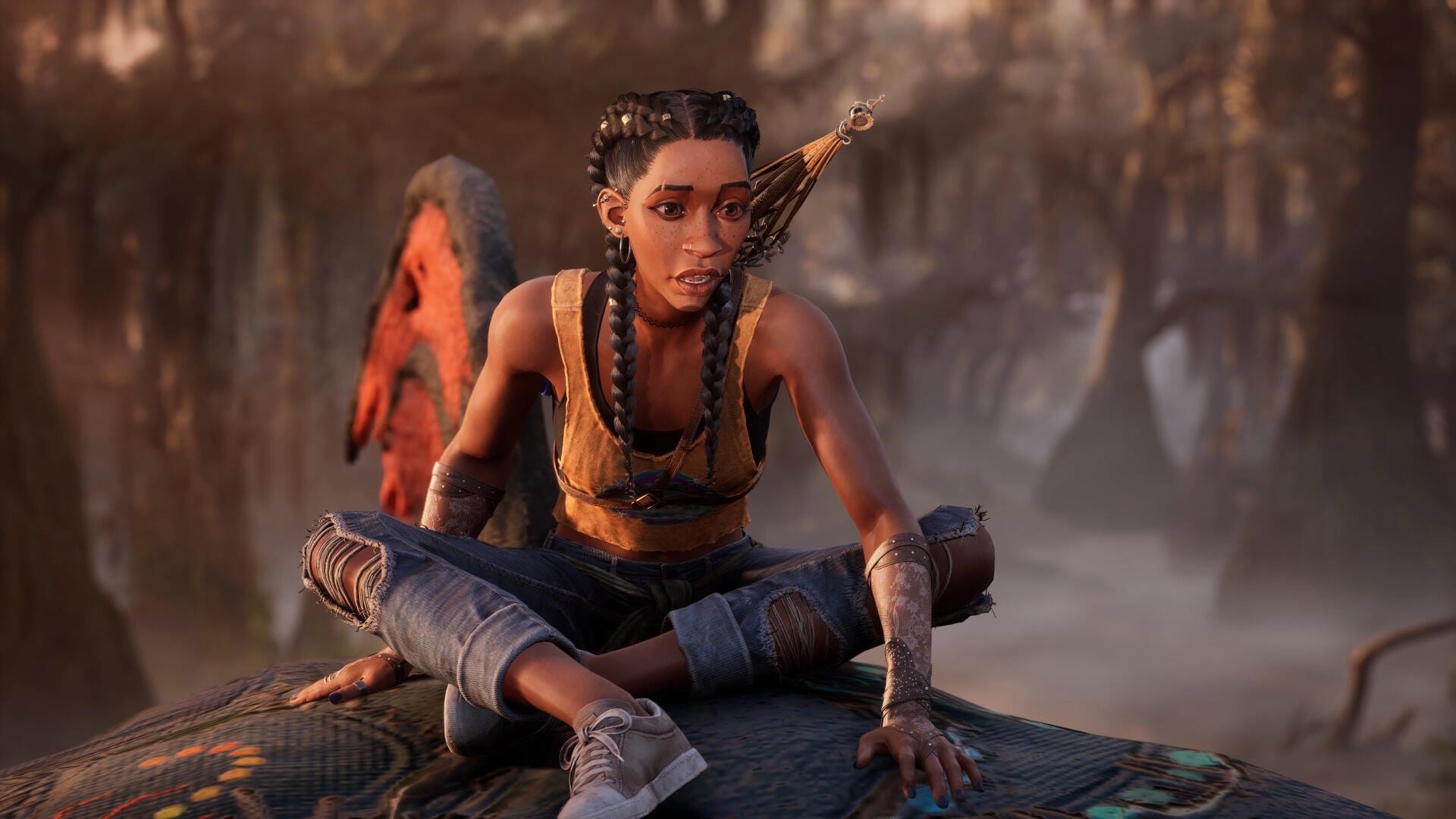
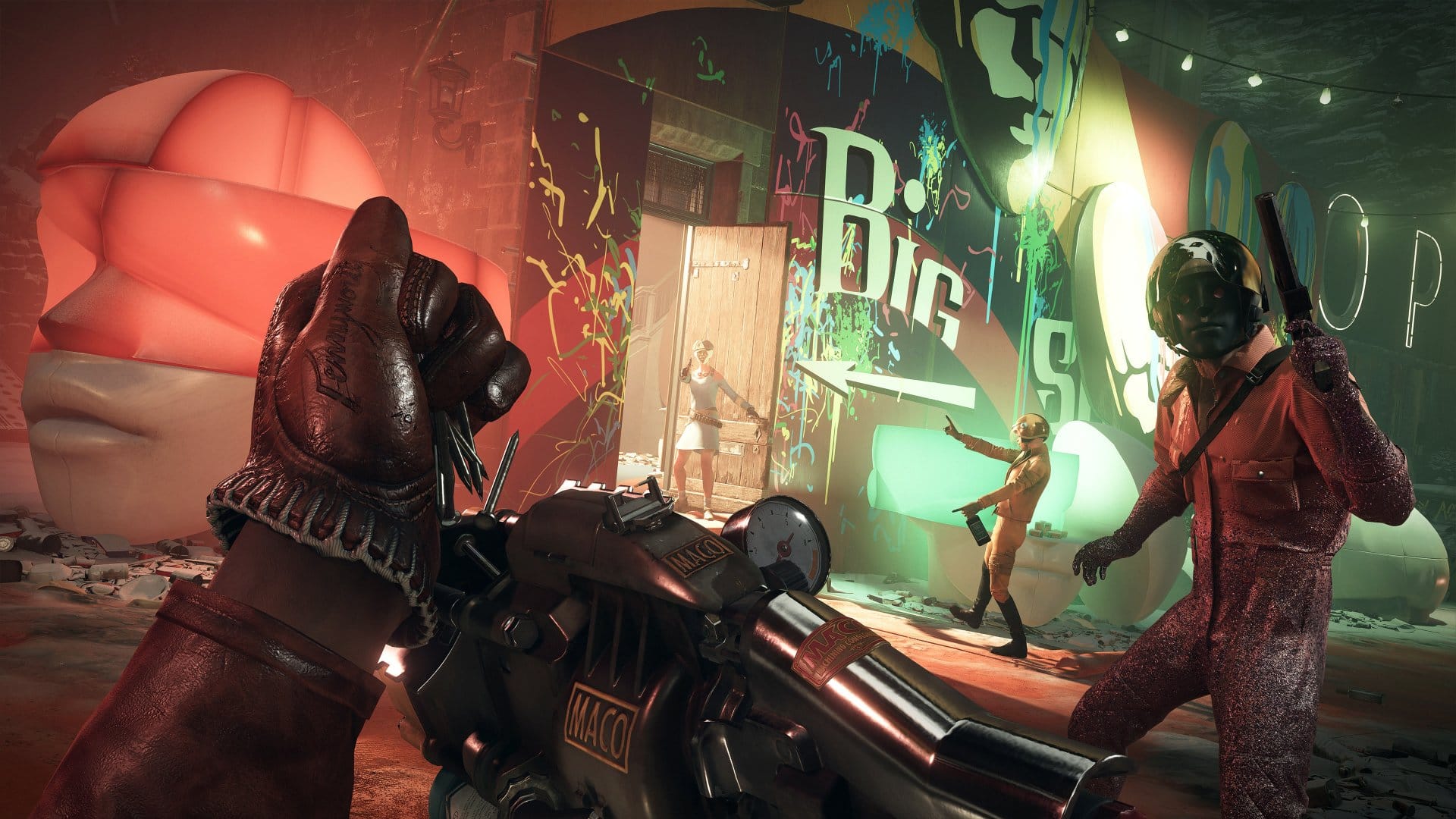
From what we know: Ninja Theory, Double Fine, Compulsion Games, Undead Labs, Arkane Lyon, and Obisidian Entertainment are all in active negotiations with Xbox to either buy out their independence or face studio closure. Many of these are surprising for multiple reasons: Ninja Theory just recently debuted their new game, Senua, at the Xbox Games Showcase as part of Summer Games Fest; Undead Labs has been running alpha tests for State of Decay 3; Arkane Lyon is developing Blade, a major Marvel IP; Obsidian is one of Xbox's most active and consistent shippers.
None of these studios are working on the major franchises Sharma identified as the path forward, but they're far from niche outfits either. These are studios with long and storied legacies. Arkane pushed the immersive sim to some of its highest highs with Dishonored, Prey, and Deathloop. Double Fine has been around since the LucasArts days, essentially perfecting the point-and-click adventure before evolving into one of the most creatively adventurous studios in the business. And Ninja Theory built one of the most technically ambitious franchises in recent memory, crafting a story about psychosis with more nuance than most studios would dare attempt.
These studio selections are not entirely unjustified, however. Obisidian is a consistent shipper, yes, but the games they've shipped recently have mostly underperformed. Ninja Theory and Compulsion both took nearly seven years to ship their last games – games that also underperformed. Double Fine hasn't seen a commercial hit in quite a while.
The problem is that these studios were purchased to follow a directive that is no longer currently in place. They are at odds with Xbox's forward momentum.
Even still, justified or not, the whole affair feels dirty. It feels as though Xbox has forgotten what first-party is supposed to represent, and is airing this family drama on the public stage.
As a platform holder, your first-party studios are supposed to be the front line – holders of your most cherished IP, your A-team – and should be treated as such. You might have contracts and publishing deals with third parties, but first-party is called that for a reason. They are why people buy an Xbox. They represent your console as the better choice against the competition.
I'm not saying these cuts aren't necessary. I've seen the numbers out of Xbox, and to say that the strategy was not working is an understatement – it was an abject failure, and the acquisition of Activision Blizzard King will be a thorn in Xbox's side for years to come. But the public nature of it is shocking. Xbox is asking the rest of the industry: you want them? Because we don't.
And that's a scary prospect when the unwanted studios are such legacy players. Xbox cannot seemingly survive with them, but the games industry is far worse off without them.
On the other side of all this will be a leaner, more adaptable Xbox with hopefully a better stewardship of its major franchises – higher quality, quicker turn. For a long time, we've all had this same criticism of Xbox. Why is Halo: Infinite coming out six years after Halo 5? More importantly, why is it bad? How can you mismanage your marquee franchise so poorly? You can ask similar questions for nearly all of Xbox's major IP.
Asha Sharma appears to hold a lot of the same criticisms that we do: the issue is that the path to addressing them involves a fair deal of public execution.
As I get older, I find myself romanticizing the seventh generation and prior – the Xbox 360, PS3, and Nintendo Wii – when console wars were in full swing. There was this idea that both sides were stacking their roster with the best-of-the-best to outplay the other. You believed that first-party meant something. Your console had something that the other players did not, and it was special.
And for the past few weeks, I've sat and watched as Xbox tries to rid itself of studio after studio, and I find it completely at odds with the stewardship that platform holders should have to first-party. There's a promise there, that the studio represents more than the games they produce – they carry the brand.
You can make the argument that this is exactly what was needed to better manage the first-party lineup, and I won't totally disagree with that. I get that business is business.
But more and more, I find myself saying "this isn't how it used to be."
Because it isn't.