Grand Theft Auto VI Makes The Rules
Rockstar is using their unprecedented influence to move the industry in their direction.
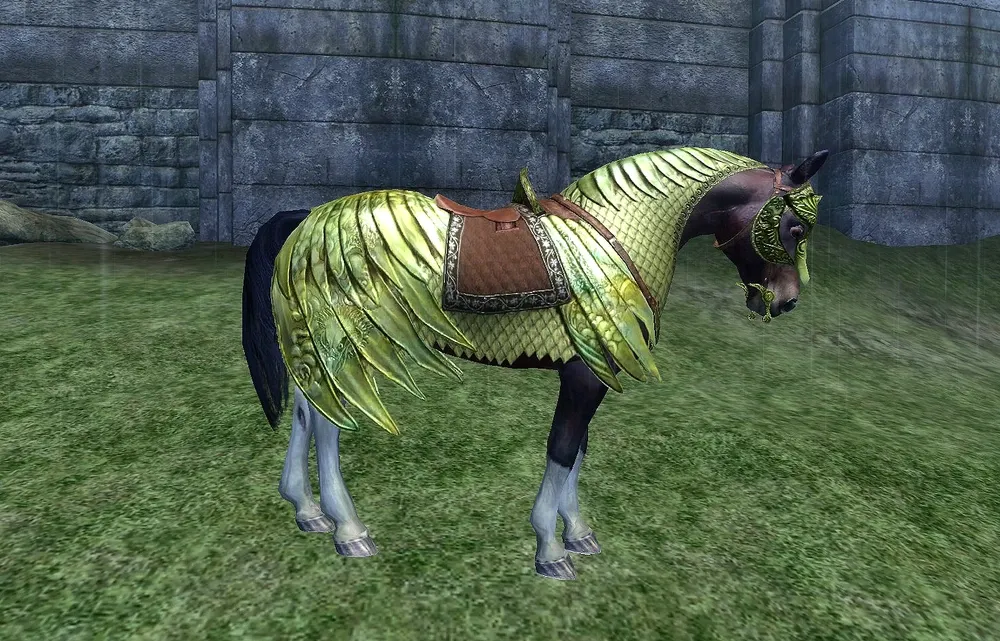
In 2006, Bethesda released downloadable content (DLC) for The Elder Scrolls IV: Oblivion called Horse Armor. For $2.50, you could buy cosmetic flair for your horse. That was it. See below for a now infamous image of this horse armor.
It was one of the first instances we have of microtransactions in video games. Prior to this, large expansions were the industry norm – like Throne of Baal for Baldur's Gate 2, or Ruins of Kunark for Everquest – that justified their larger price tags (usually $30 or more) with heaps of content like new areas, stories, and mechanics. Oftentimes the expansions would rival the original games in terms of size.
With Horse Armor, you could spend a couple bucks and get an outfit for your horse. It was an admittedly low-cost, low-impact, entirely optional add-on – and it was hugely controversial, and for good reason. The Elder Scrolls IV: Oblivion was a $60 title – why isn't this horse armor included in the base game? Why is a cosmetic of all things being sold separately? This isn't a major expansion that requires months or years of additional development time – this is one item that was held back from release to be sold later. Players felt nickel and dime'd. It was the precedent of the matter, not the price.
Even in 2006, it felt like one of those moments where you could see video games as you knew them were changing. If horse armor was successful – and by all metrics, it was – then other game companies would want their piece of the profits. If gamers are willing to spend $2.50 for a simple cosmetic, would they be willing to spend $3? What about $5? Can we sell weapons, too? What about multiplayer maps? Would they pay to level up faster? Would they pay to skip content?
All these things came true, and more – map packs, online passes, battle passes, subscription services. In 2024, consumers spent $10.4 billion on microtransactions. Horse armor, despite its controversy, was a huge success, and radically shifted the value proposition of what can be sold to gamers. As industry analyst Mat Piscatella put it:
Horse armor walked so battle passes could run.
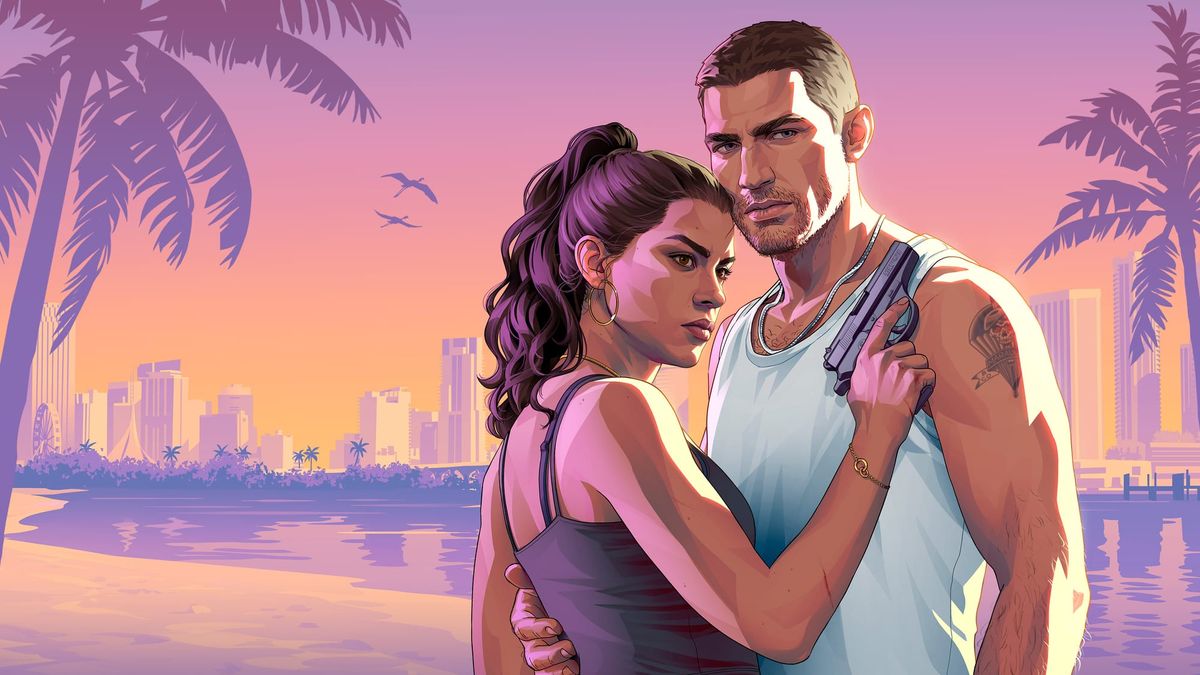
So when I see Rockstar selling boxed copies of Grand Theft Auto VI without a disc, I feel that same level of apprehension, like games as I know them are about to change again.
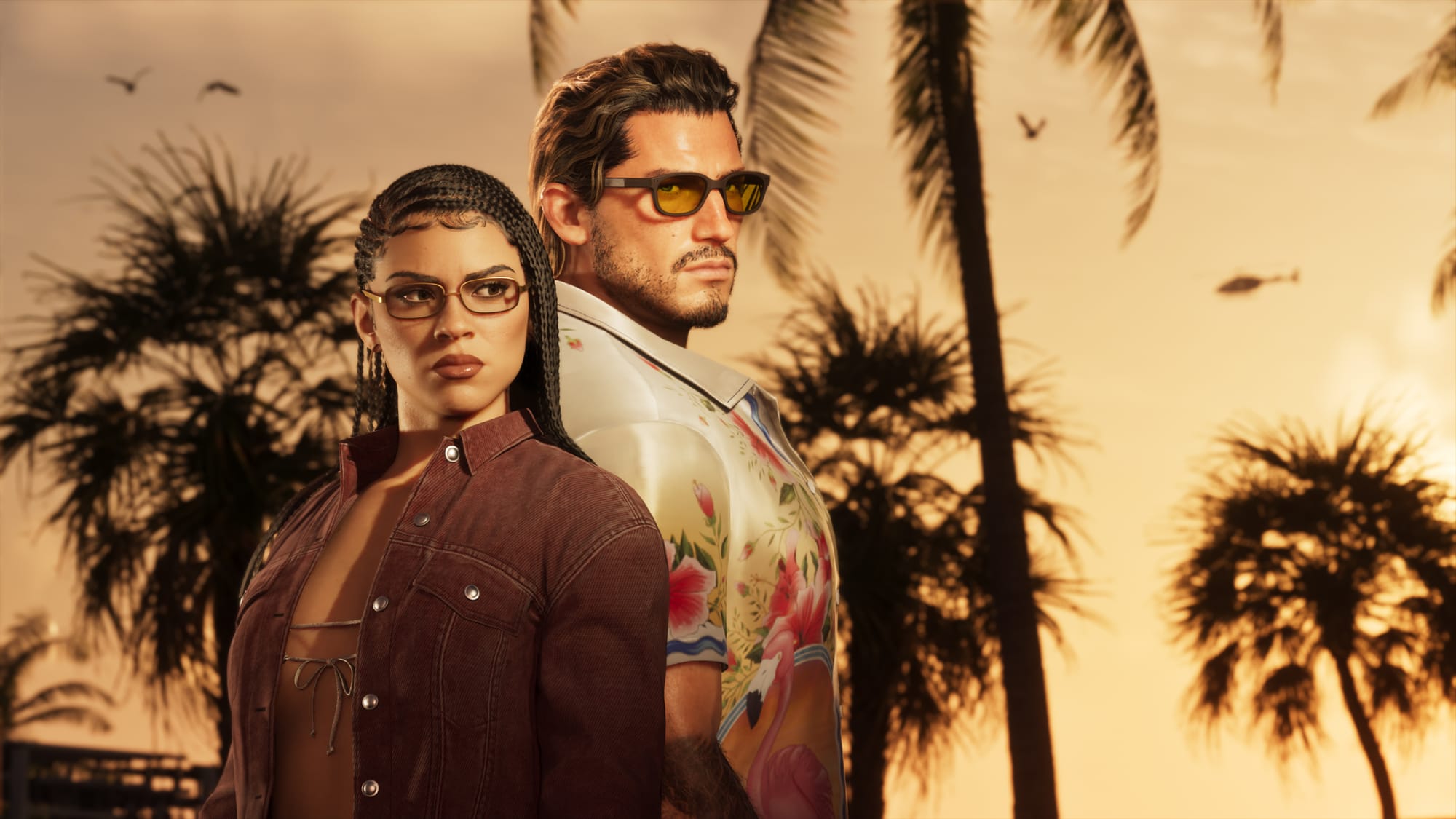
Grand Theft Auto VI will be the largest entertainment launch of all time – of this I have zero doubt. Just look at the stacked release calendar for September, and the absolute wasteland of releases in November. There is a blast radius around GTA VI that developers are staying well clear of.
We've all accepted that we will buy GTA VI at release. It is a universal truth. There is very little that Rockstar can do that could alter this truth in any way, and they know it. This is why they eschew traditional marketing. As of this writing, we are five months from release and we have yet to see a single gameplay trailer. Rockstar markets on their terms, in their own way.
This also begs the question: what else Rockstar will decide to do in their own way?
For example, take game pricing. After fifteen years of AAA releases being priced at $60, the industry moved up to $70 with the release of the PS5 and Xbox Series X. Then more recently, the industry has began flirting with the $80 price tag – especially Nintendo, with Mario Kart World. Xbox tried with The Outer Worlds 2, but there was such a backlash that they reversed this decision.
But GTA VI is not The Outer Worlds 2, and an $80 floor was almost a given. It also didn't help that Strauss Zelnick was being cagey about the price, with quotes at iicon like:
Consumers pay for the value that you bring to them, and our job is to charge way way way less of the value delivery. How you feel about something you buy is the intersection of the thing itself and what you pay for. Consumers need to feel like the thing itself is amazing and the price they were charged was fair for what they got.
It felt like this was a precursor to Rockstar/Take Two doing the classic Rockstar/Take Two thing and pricing GTA VI on their terms, not industry terms. Would it be $90? And if it were, would other companies follow suit? Was The Outer Worlds 2 just too early on their $80 jump? In a post GTA VI world, would there have been any backlash at all?
Well, pre-orders just went live, and it turns out the base version of GTA VI will be $80 – but there's a bit of an asterisk here, as they're also selling an Ultimate Edition at $100 with additional story content. So if single-player content is gated at launch behind the $100 paywall, what is the true price of GTA VI?
I'll leave that question for now, because we need to shift to where the true controversy lies – the disc-free boxed copy. Whoof.

In the same pre-order announcement, it was revealed that boxed copies of GTA VI would not include a disc. Alan Wake 2 forfeit the disc due to to manufacturing costs so they could price at $50, and that's understandable, but Rockstar, with unlimited time and budget – what's their defense? They haven't said, but the result is one reality – all digital.
We currently live in a digital media hellscape that is only getting worse, as the percentage ownership of the media that we buy is decreasing by the day. Servers are taken offline, games are delisted, songs are removed. Good luck downloading BioWare's Anthem. Good luck playing Ubisoft's The Crew.
And it's not just multiplayer. Try to download Spec Ops: The Line, a single-player, story-first shooter. How about Driver: San Francisco? Both gone, inaccessible. From games to movies to music, digital media that you purchased has the possibility to just disappear.
Do nothing and your digital library will never increase, but it can decrease.
The defense to this has always been physical media. As long as you have the data physically on a disc, you should be protected from titles being delisted. If you have the disc copy of Spec Ops: The Line, you can just pop it in and play.
Without a physical option, we are entirely at the mercy of companies who don't exactly have great track records when it comes to consumer-first digital mandates. We hand our ownership and autonomy fully off, and this is a dangerous proposal, especially for a company like Rockstar. Let's dive into their track record:
- GTA Trilogy (III, Vice City, San Andreas) – delisted ahead of remasters
- GTA: Vice City Stories – delisted
- Manhunt 2 – delisted
- Midnight Club 2, 3, LA – all delisted
- GTA IV – music removed
So here we are: Rockstar, a company that deals heavily in licensed music, which has a track record of delisting or modifying previously-released titles, is selling GTA VI without a disc. This is one of the worst-case scenarios of Rockstar flexing their industry dominance to do whatever they want.
That's the kicker for me. The reason I opened this article with $2.50 horse armor is because I remember the shift it represented, where microtransaction became a household term. There was a sense that Bethesda had done something that would set a new precedent moving forward, and we know this to be true. It's the 'little-domino-to-big-domino' image in action.
This is a similar inflection point. The industry is looking at Rockstar to see what they can get away with, and Rockstar is using their influence in the wrong direction. They are sending a message to the industry that says "don't worry about the disc – they'll buy it anyway."
Don't get me wrong – not every company will get away with it. Microtransactions were not suddenly accepted across the board following horse armor. Rather, it's been a slow-moving landslide that was kickstarted by horse armor, where companies have been slowly moving the bar further and further out of what consumers will accept. Sometimes they get it wrong and there's a small reversal, but the ultimate effect is not in the consumers favor.
Not every company is given the same sort of leeway that we give Rockstar, and there will certainly be casualties of developers who think they have a similar pull before it backfires. We saw this happen with The Outer Worlds 2 priced at $80. But the landslide has started. Rockstar is telling us, not asking us, what the industry of tomorrow will look like.
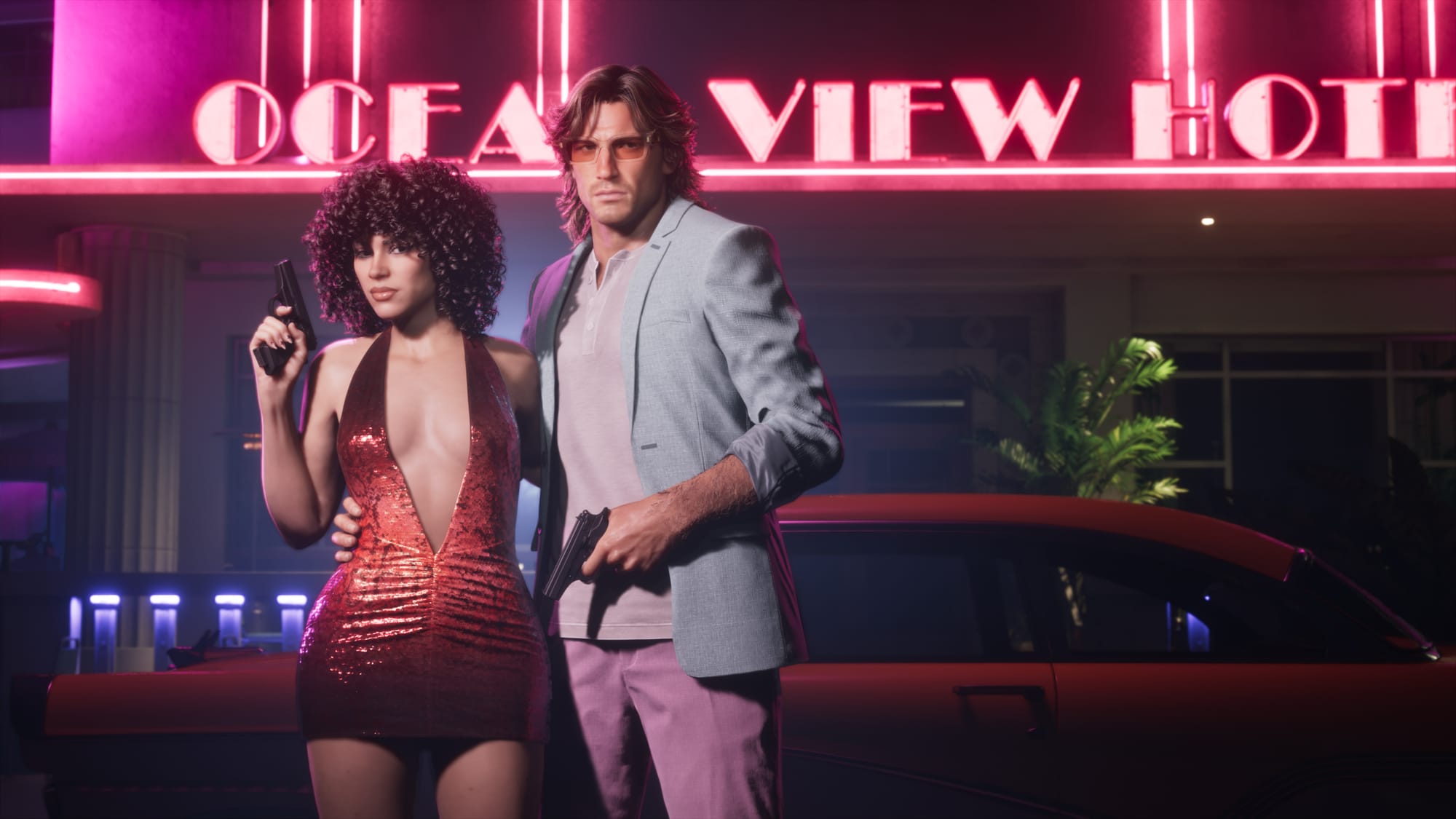
Ultimately, I'm bummed out, because I know that even with this blip, Grand Theft Auto VI is still going to destroy the sales charts at such a scale that we have not seen.
There are folks calling to boycott Rockstar; there are stores refusing to sell the boxes. This is admirable, but remember: horse armor was hugely successful. Gamers don't always win, and I think GTA VI is a Goliath that is beyond our influence. Rockstar has always played by their own rules. They might reverse this decision, but I wouldn't bet on it, and I hope I'm wrong.
I wish that Rockstar would have used their immeasurable influence to set a better example for the industry at large.
For now, let's keep the conversation going. Let's keep our hopes on their radar.