Four Years, Four Hits: The Rise of South Korean AAA Gaming
Success Begets Success
Author's Note: after writing this piece, news broke that the team behind The First Berserker: Khazan was disbanded due to the game not meeting commercial targets. However, I don't believe this changes the conclusions below, and I've decided to keep the piece unedited as Khazan's critical reception is still noteworthy, and the publisher is still committed to expanding the IP.
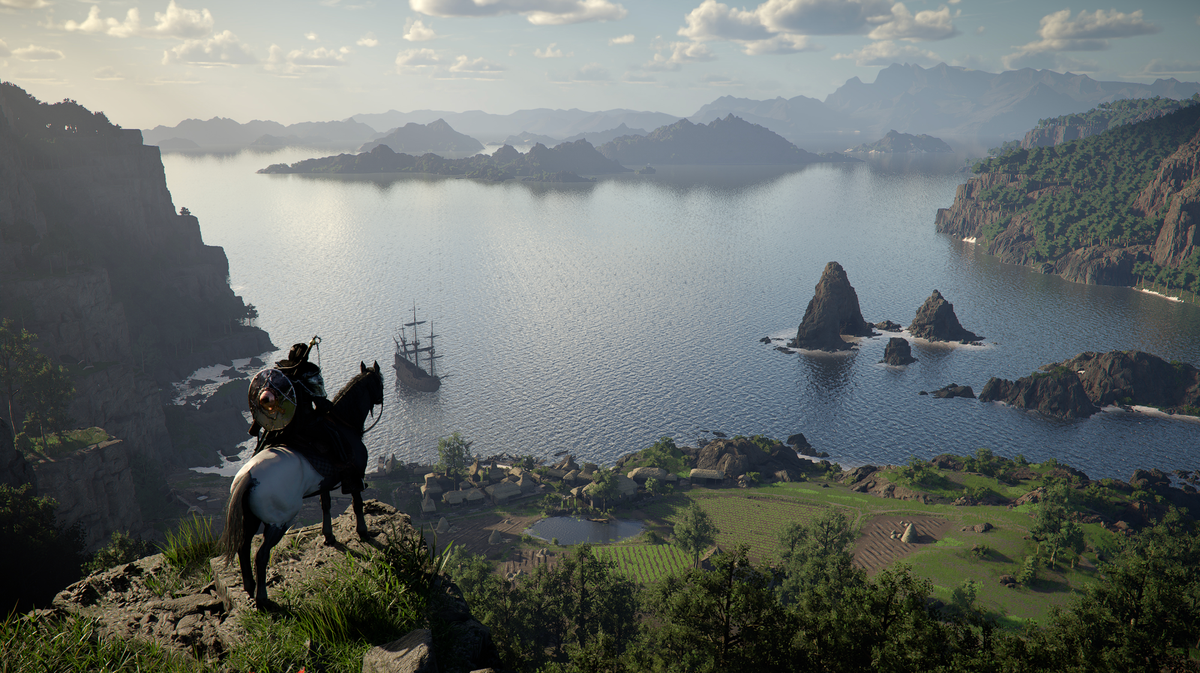
Six years after its announcement, Pearl Abyss' much-hyped Crimson Desert finally released in March 2026. The open-world RPG has proven to be a commercial phenomenon, selling over two million units in the first 24 hours and crossing four million units within the first two weeks.
Despite a mixed critical reception at launch, review scores have steadily increased as multiple patches have been released to address the community's most common criticisms – and now, the narrative says Crimson Desert has enough momentum and word-of-mouth to make it a strong award-season contender.
Rather than being a surprise, it is yet another success story for the South Korean gaming scene, which has seen a meteoric surge in popularity in the West over the past four years. In choosing to prioritize AAA single-player experiences that support, rather than subvert, a historically multiplayer-dominated ecosystem, South Korea has emerged as one of the most exciting markets in the industry — and by every indication, it is just getting started.
Let's dive into the many reason why.
The Streak
Across the 2010s, South Korea's gaming scene was dominated by MMORPGs and multiplayer mobile titles. It was a brutally competitive landscape — studios flooded the market with new releases that fought to win the attention of a limited playerbase. A small number broke through and became enormously lucrative for their developers, but for every Lineage or Black Desert, there were dozens of titles that launched with fanfare before quickly dying out.
South Korean studio Neowiz felt this acutely, having released numerous titles in this period that were swallowed by competitors. Rather than continue down this path, the developer adopted a different strategy. In an interview with the South China Morning Post, co-CEO Kim Seung-chul described how the studio turned its attention to Japanese developers like Capcom, studying long-running franchises such as Resident Evil and Monster Hunter. They learned "how crucial narrative is in building a franchise" and fostering "emotional attachment."

The result was 2023's Lies of P, a single-player, narrative-driven "Soulslike" that quickly became a global hit, selling over one million units in its first week in a moment that Kim says "proves the potential of Korean console games on the global stage." It was also a major critical success within South Korea, taking home the grand prize at the Korea Game Awards.
Lies of P would prove to be the first sign of a greater shift taking place within the South Korean scene.
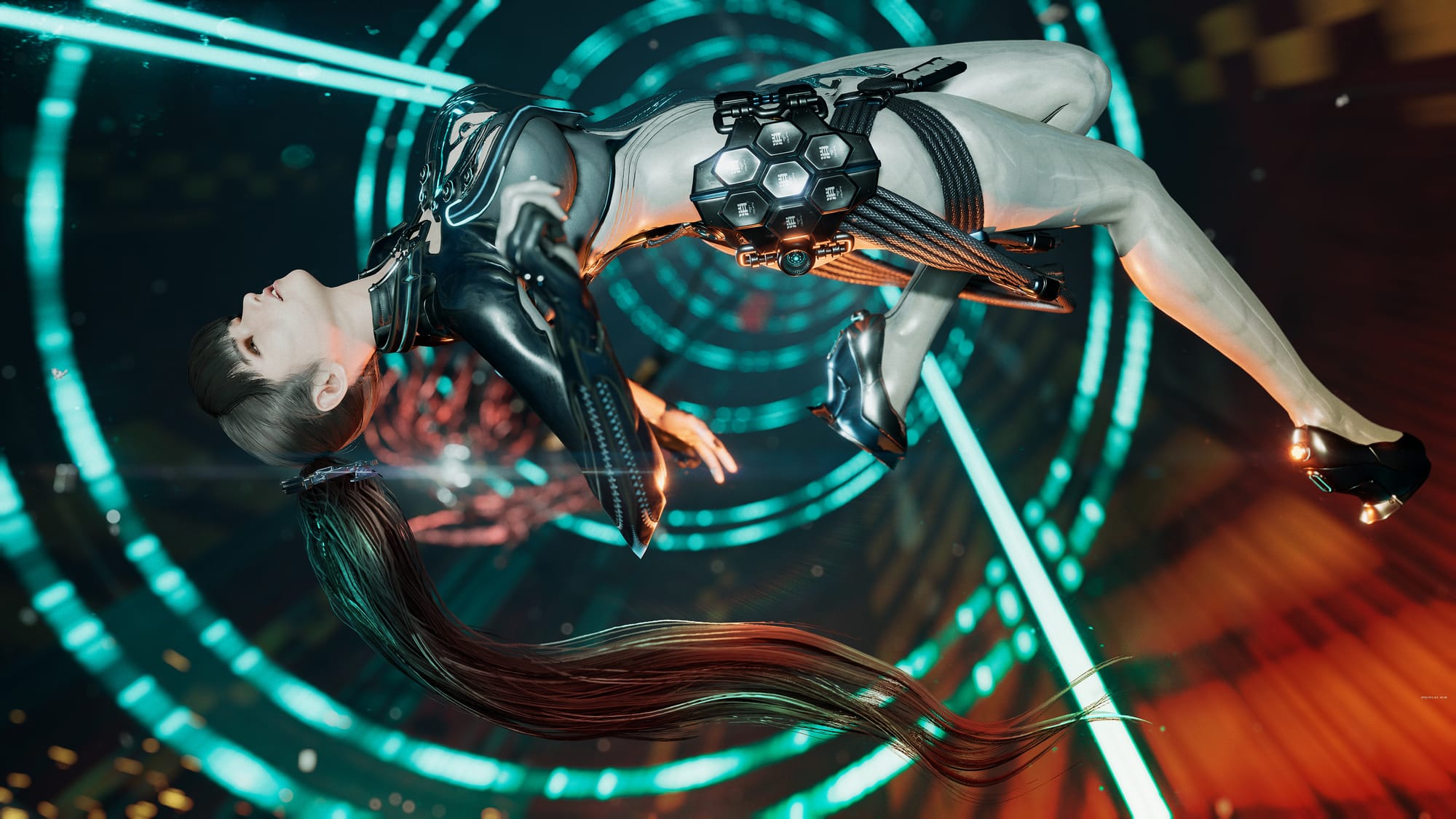
In April 2024, Stellar Blade was released. Developed by Shift Up and published by PlayStation, Stellar Blade was another single-player, narrative-driven action title – and another global success for South Korea, selling more than 3 million units and securing two nominations at The Game Awards in the US.
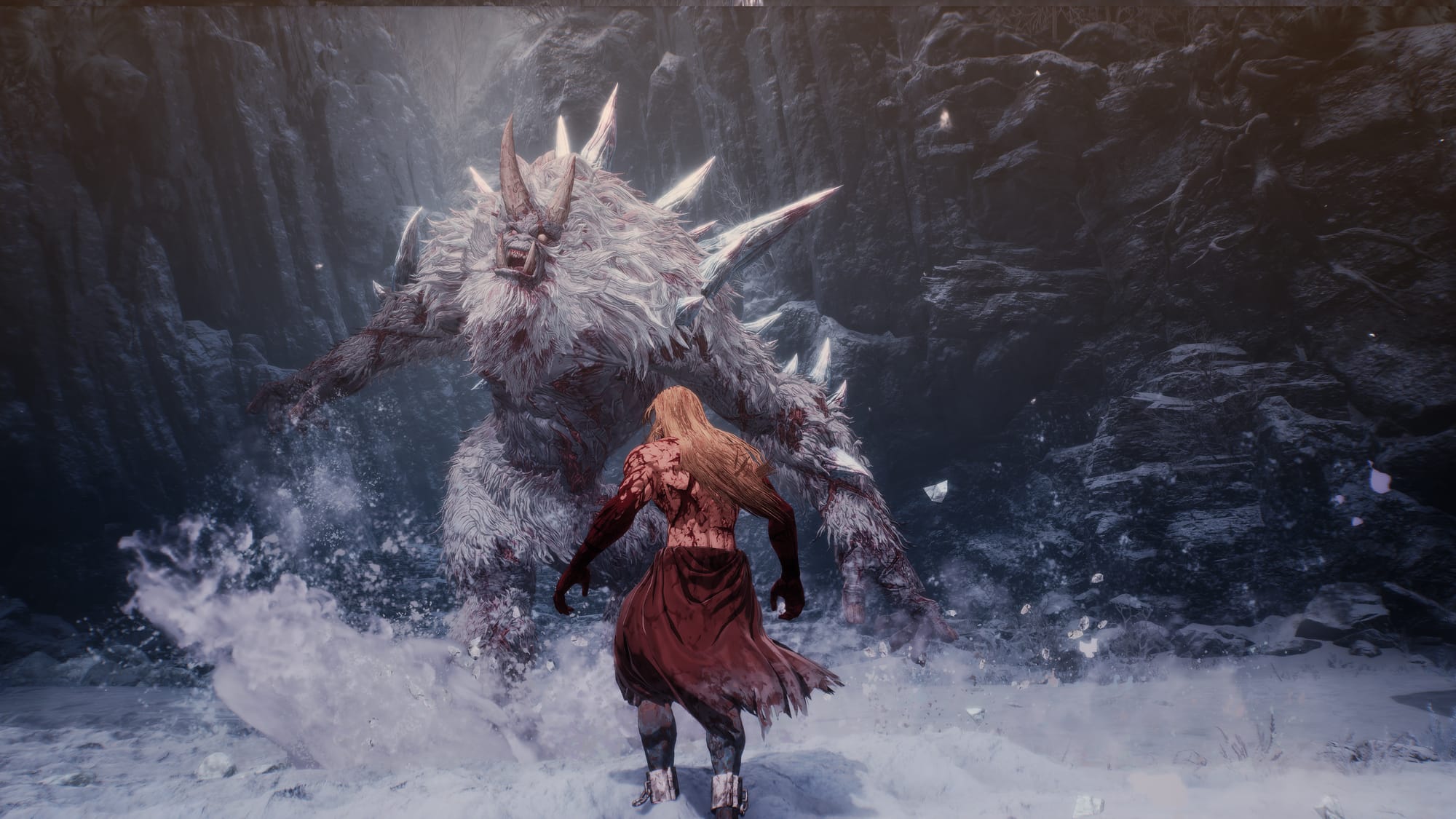
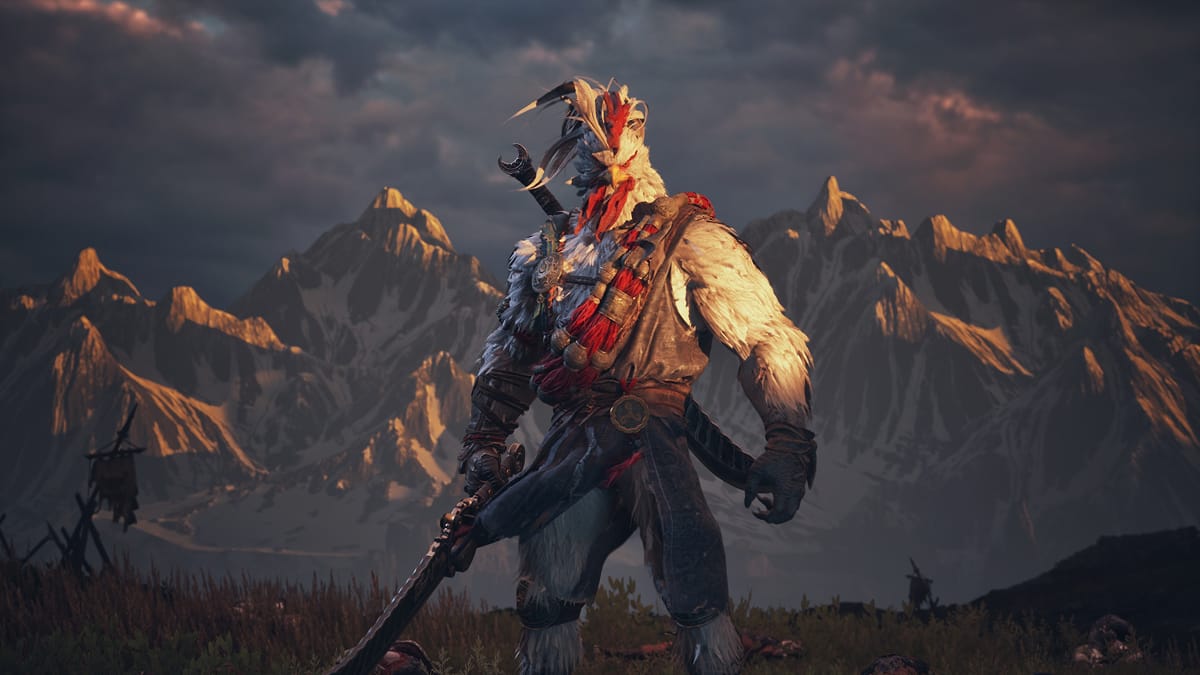
Nexon's The First Berzerker: Khazan, another AAA single-player title, was released in 2025. Landing softer on the commercial side, it was still a critical hit, winning three awards at the Korea Game Awards, including the Top Excellence Award.
And now we have Crimson Desert in 2026, which began as another MMO before pivoting to single-player, and is already proving to be another global phenomenon.
That is four straight years of AAA single-player titles from South Korea that are both critical and commercial successes for their developers. One of the most important dynamics is any creative industry is internal justification – when a studio seeks funding, or asks leadership to greenlight projects of massive scale and time, what do they point to? What success stories exist that justify the ask?
Until recently, the answer for Korean studios venturing outside of mobile and MMO was limited; now, however, a they have their pick of globally distributed, critically reviewed, award-winning single-player titles.
Talent Acquisition
In the same South China Morning Post interview, Kim identifies Neowiz's most significant ongoing challenge —"hiring developers with experience in single-campaign or narrative-driven games." There's an easy explanation why: the smart career move for any aspiring developer is to be where the industry is, and to have experience in what it values. For decades in South Korea, this value has existed in multiplayer and MMO.
There are signs this is changing at the generational level. A report from Game Developer, sourced from Wesley LeBlanc at Game Informer, captures several Korean studio heads grappling with this directly. Shift Up CEO Kim Hyung-tae told Game Informer that South Korea's dominant mobile titles are so heavily monetization-dependent that their player base has been skewing older for years, making it increasingly difficult to attract younger users.
Those younger users are migrating toward the same console and PC experiences capturing audiences everywhere else. Lies of P director Choi Ji-won saw this firsthand: at a recent student showcase, only one out of seventeen groups was making a mobile game.
The developers who shipped the four titles in this wave have also spent years acquiring experience that was previously scarce in Korea. That knowledge stays inside studios and compounds with each subsequent project. Looking to the pipeline ahead, Lies of P and Stellar Blade have sequels in development. Crimson Desert has DLC in production. Nexon has greenlit two additional titles in the Dungeon Fighter universe. The talent pipeline Kim described as the industry's greatest obstacle is being dismantled, success after success.
Drawing from the Well
An important thing to understand about Korean gaming is that the country sits on an enormous reservoir of established, monetized IP that has rarely been adapted into premium single-player experiences. Two of the four titles in this wave have already drawn from it. The First Berserker: Khazan is set 800 years before the events of Dungeon Fighter Online — a franchise that, as of 2024, had generated over $22 billion in lifetime revenue and accumulated more than 850 million players worldwide. Most Western gamers had never heard of it – they have now. Crimson Desert comes from the studio behind Black Desert Online, one of the most commercially successful MMORPGs of the past decade. Both titles took their online worlds and distilled them down into focused, single-player narratives.
And the well runs deeper. NCSoft's Blade & Soul has maintained a global online following for over a decade, built on a martial arts fantasy world that is ripe for exploring from a premium, single-player context. MapleStory, Lineage, and Ragnarok Online represent decades of loyal audiences spanning multiple generations of players.
These are franchises with established lore, recognizable characters, and fanbases that would follow a well-made single-player adaptation. The studios that own them are watching their peers generate global sales figures and international award recognition. The incentive to follow, once theoretical, is becoming increasingly difficult to ignore.
But the story isn't only about pre-existing gaming IP. Stellar Blade is an entirely original IP from a studio previously known only for mobile gacha games, now with a sequel confirmed and a player base in the millions. Krafton is developing Project Windless – based on The Bird That Drinks Tears, a beloved Korean fantasy novel series – with a Western AAA-pedigree director at the helm.
Lies of P is perhaps the most interesting case: Round8 Studio, making its first-ever console game, chose to pull from the public domain and remix the story of Pinocchio — a deliberate choice to anchor an unfamiliar studio's debut in a narrative universally recognized across every major market. The result was a game that felt simultaneously familiar and wholly original.
The shift that began with Lies of P in 2023 is not a trend that is peaking — rather, the decisions for studios are becoming more attractive. Draw from the well of Korean IP, gaming or literature; draw from the public domain; create something entirely new. For each of these, a winner exists.
Full Support
Most of this growth has happened organically, but a key portion is by design: the South Korean government has made AAA console development an explicit priority. In 2024, the Ministry of Culture, Sports and Tourism allocated approximately $52.5 million in subsidies to Korean gaming companies — an increase from 2023, with the budget for helping studios promote games abroad rising 60% year over year.
The government believes (accurately) that commercial opportunity lies in the West, and is funding Korean studios' ability to reach Western audiences. South Korea is already the fourth-largest gaming market in the world, with combined revenue of 22.2 trillion won ($16.04 billion) in 2022 — but its share of the global console market stands at just 1.5%, despite consoles representing 28% of the entire global industry. In North America and Europe, more than 40% of gamers play on console. The gap between where Korea is and where the money is represents a massive opportunity for studios willing to capitalize on it.
In May 2024, the government unveiled a comprehensive five-year plan running from 2024 to 2028, with specific targets: 30 trillion won in sales, $12 billion in exports, and 95,000 industry employees. The plan includes direct collaboration with Microsoft, Sony, and Nintendo to support Korean studios in developing and publishing titles on their platforms, with a stated the goal to increase Korea's global console market share from 1.5% to 5% by 2028, in an effort to "balance it with mobile and online games." First Vice Minister Jeon Byeong-geuk framed the plan as one that would "support game companies to actively challenge new fields and overcome crises, not just what they are doing well."
To have confidence in Korea's ability to execute on a plan of this scale, just look outside gaming. This same Ministry of Culture invested in the Korean entertainment industry from the 1990s onward, creating the conditions that produced the Hallyu wave: the global dominance of K-pop, K-dramas, and Korean cinema. The gaming industry is the next front. With Lies of P, Stellar Blade, The First Berserker: Khazan, and Crimson Desert already laying the groundwork, the government is now moving to institutionalize and accelerate what the studios started on their own.
Conclusion
South Korea's rise as a AAA single-player powerhouse is not luck. It is the product of studios willing to unlearn decades of industry habits, developers who sought to risk it all, a government that recognized the commercial opportunity and put real money behind it, and — perhaps most importantly — a string of games that were simply very good.
With each success, the next becomes easier to greenlight, easier to staff, and easier to sell. Studios with long-established multiplayer IP are making moves. The developers coming out of university are making different kinds of games. The government has pledged their support.
The dominoes are in place to cement South Korea as the most exciting gaming market of the next decade – and we are here to enjoy it.
Have you enjoyed catching the signal from the Lone Relay? Consider subscribing!